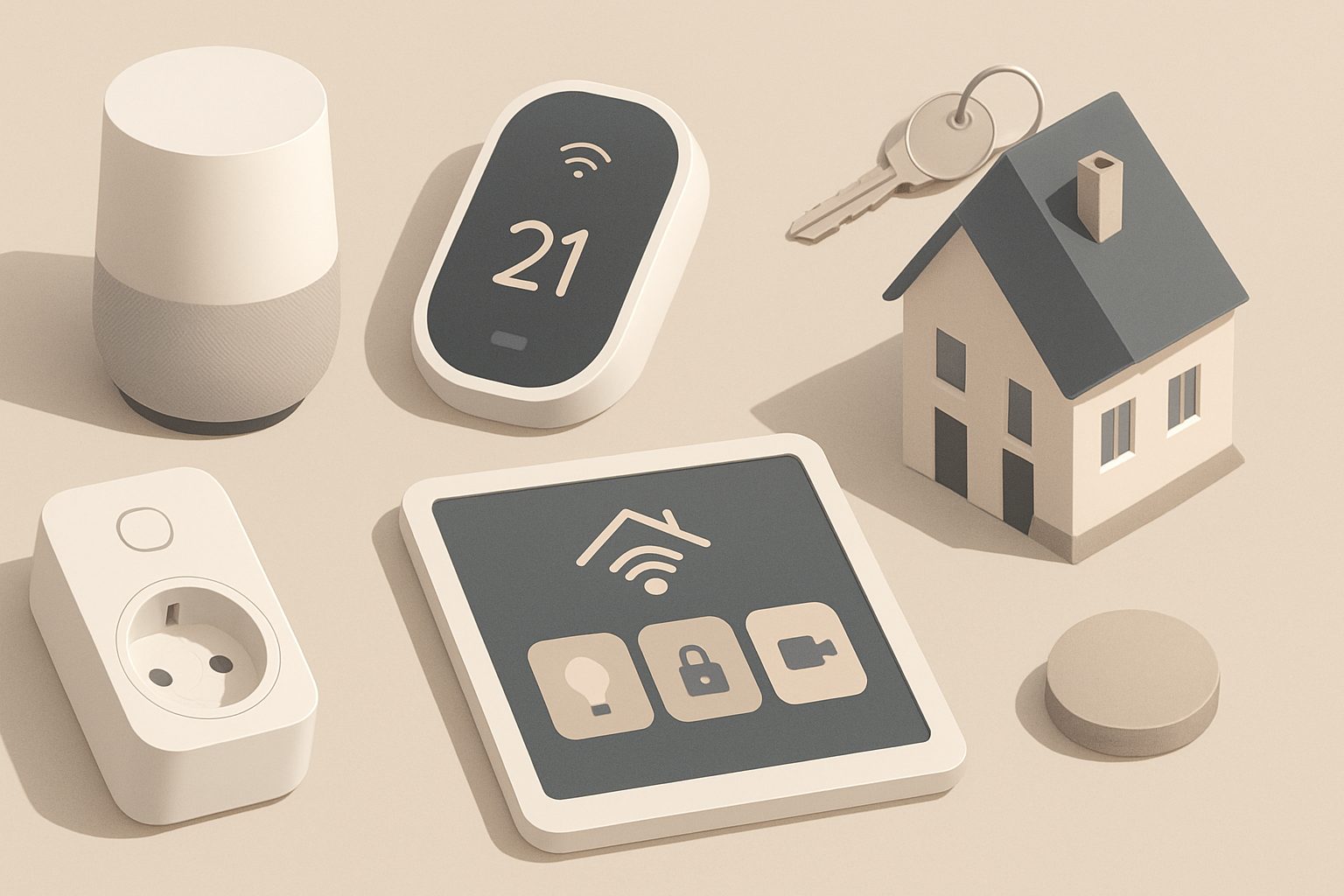
Home Assistant Compatible Devices Available in the UK – 2026 Buyer's Guide
Home Assistant is a self-hosted home automation platform that works with thousands of devices—and the selection available to UK buyers has expanded significantly. Whether you're starting your first automation setup or expanding an existing system, knowing which devices actually work reliably in the UK market is essential. This guide covers the Zigbee, Z-Wave, and Wi-Fi devices you can actually buy right now and connect without headaches.
Zigbee Devices (Most Affordable Option)
Zigbee remains the most popular protocol for Home Assistant users in the UK, mainly because devices are cheaper and the ecosystem is mature. Here are the reliable options currently stocked by UK retailers:
Lighting: Philips Hue bulbs and fixtures are fully compatible, though expensive. INNR and Tuya-branded bulbs offer the same functionality at half the price and work perfectly with Home Assistant. Expect to pay £8–15 per smart bulb from these brands, compared to £25+ for Hue. Both integrate cleanly without proprietary bridges once you've added them to your Home Assistant Zigbee coordinator.
Sensors and Switches: Aqara temperature, humidity, and motion sensors are reliable and widely available through UK Amazon and specialist retailers. Sonoff Zigbee sensors are similarly compatible, though build quality is more variable. GLEDOPTO RGB controllers work well for LED strip lighting. Most of these cost between £15–35.
Smart Plugs: Tuya-branded smart plugs are ubiquitous on UK shelves and function correctly in Home Assistant. Innr smart plugs are another solid choice. Avoid cheaper unbranded Zigbee plugs—they occasionally have firmware issues that prevent pairing.
The main advantage of Zigbee is cost and the fact that many devices are available in supermarkets and high-street shops. The downside is you'll need a compatible Zigbee coordinator (a USB stick plugged into your Home Assistant server), and devices occasionally need re-pairing if your mesh network becomes unstable.
Z-Wave Devices (Premium, Reliable)
Z-Wave devices are pricier but generally more polished and reliable. They're less common in high-street shops but readily available online from UK specialists.
Radiator Valves: Fibaro and Aeotec thermostatic radiator valves are the gold standard. Expect £60–80 per valve. They integrate directly into Home Assistant and offer granular control over individual room heating. These are particularly useful in older UK homes where central heating lacks zoning.
Wall Switches and Dimmers: Fibaro switches are compact, don't require neutral wires on most models, and work flawlessly with Home Assistant. Qubino makes similar products at slightly lower price points. Installation requires some electrical knowledge but they transform physical light switches into automation triggers.
Sensors: Aeotec Door/Window sensors are reliable and integrate smoothly. Fibaro universal sensors can measure temperature, light, and motion from a single device.
The Z-Wave advantage is stability—these devices rarely drop offline and the protocol is more secure than Zigbee. The drawback is cost and availability; you're largely buying through online retailers rather than walking into Currys or John Lewis.
Wi-Fi Devices (Easiest Integration)
Wi-Fi devices connect directly to your home network, requiring no separate protocol or hub. This simplicity comes at a trade-off: they draw more power and can be less stable if your Wi-Fi is congested.
Shelly Devices: Shelly relay switches, dimmers, and power meters are excellent for Home Assistant integration. They're designed with local control in mind and don't require cloud connectivity. Widely available in the UK and priced reasonably at £15–50 depending on model.
Smart Plugs: Innr and Tuya Wi-Fi plugs are cheaper than Zigbee alternatives (£8–12) and work without any coordinator. They're fine for basic on/off control, though the cloud dependency is less than ideal for privacy-conscious users.
Bulbs: LIFX bulbs work over Wi-Fi and integrate with Home Assistant. They're pricier than Zigbee (£20–40 per bulb) but don't require a bridge.
Generic ESP8266 Devices: Many UK shops sell generic Wi-Fi smart home devices that can be flashed with Tasmota firmware to work with Home Assistant. These are the cheapest option if you're comfortable reflashing, often £5–15 per device.
What to Check Before Buying
Not every device labelled "smart" works smoothly with Home Assistant. Before purchasing:
- Check compatibility lists: Home Assistant's official integration documentation lists which specific models are supported. A device from a known brand doesn't guarantee compatibility with your exact model number.
- Verify UK availability: Some devices sold in Asia or the US don't work with UK frequency bands (particularly relevant for Z-Wave products, which operate on different frequencies by region).
- Consider your existing setup: If you've already invested in Zigbee, adding more Zigbee devices is simpler than mixing protocols. Similarly, if your Wi-Fi network is spotty, Zigbee or Z-Wave is more reliable.
- Factor in coordinator requirements: Zigbee and Z-Wave need a USB coordinator plugged into your Home Assistant server. Make sure you have a suitable Raspberry Pi, NUC, or server before committing to either protocol.
Starting Point
New users in the UK typically find success starting with a handful of Zigbee bulbs and sensors—they're inexpensive enough to experiment with, widely available, and Home Assistant's Zigbee integration is mature. If you need reliability and aren't budget-constrained, Z-Wave radiator valves are worth the investment, especially for heating control.
The Home Assistant ecosystem in the UK is broad enough that you can build a functioning system without spending more than a traditional proprietary smart home system, with none of the vendor lock-in.
More options
- Amazon Echo & Smart Home Hubs (Amazon UK)
- Smart Thermostats (Hive, Tado, Nest) (Amazon UK)
- Smart Lighting Starter Kits (Philips Hue, LIFX, WiZ) (Amazon UK)
- Smart Security Cameras & Video Doorbells (Amazon UK)
- Smart Plugs & Home Automation Accessories (Amazon UK)